
Understanding Kashrus Levels Before You Eat Anywhere
In Jerusalem, "kosher" is not a single standard. The teudat kashrus (kosher certificate) posted at every establishment's entrance tells you who is supervising and at what level. Read it before you sit down. Here is what the main designations mean in practice.
Rabbanut Yerushalayim (regular)
The baseline kosher certification issued by the Jerusalem Rabbinate. Accepted by many traditional and modern-Orthodox families, but not typically relied on by mehadrin-observant families. If you see only "Rabbanut Yerushalayim" without "Mehadrin," that is the standard tier. There is nothing wrong with it halachically for those who accept it — the question is whether your family does.
Rabbanut Mehadrin
An enhanced level within the Rabbanut system — stricter checking for bishul Yisrael, chalav Yisrael, and bodek standards. Most observant families, including many who would not rely on standard Rabbanut, will eat at a Rabbanut Mehadrin establishment. This is the practical baseline for the majority of frum visitors to Jerusalem.
Badatz Eida HaChareidis
The independent supervisory court of the chareidi Ashkenazi community — the strictest widely-accepted standard in Jerusalem. The Eida does not rely on the Rabbanut system at all. Restaurants under Eida supervision are predominantly (though not exclusively) in chareidi neighborhoods. Families on Eida standard will find the most concentration of options in Geulah, Mea Shearim, and surrounding areas.
Badatz Agudat Yisrael
A separate Badatz agency widely accepted throughout the chareidi world, with slightly broader geographic coverage than Eida across Jerusalem neighborhoods. Many families who rely on Eida also accept Agudat Yisrael; some distinguish between the two. Check with your posek if this question is relevant to your family.
Badatz Beit Yosef
The Sephardi mehadrin standard, following Sephardi poskim for questions where Ashkenazi and Sephardi practice diverge (bishul akum, chalav, and others). The default choice for Sephardi families observing mehadrin standards. Found across Jerusalem with particularly strong representation in Sephardi-heavy neighborhoods. Some Ashkenazi families also accept it — ask your rav.
The one thing you must always do.
Look at the teudat kashrus posted at the entrance — not just at a website listing, not just because someone told you, and not because a restaurant "looks frum." The certificate must be current (check the expiry date), physically present, and issued by a supervising body you recognize. If it is absent or expired, assume the establishment is not currently certified until you can confirm otherwise.
Machane Yehuda Market Area
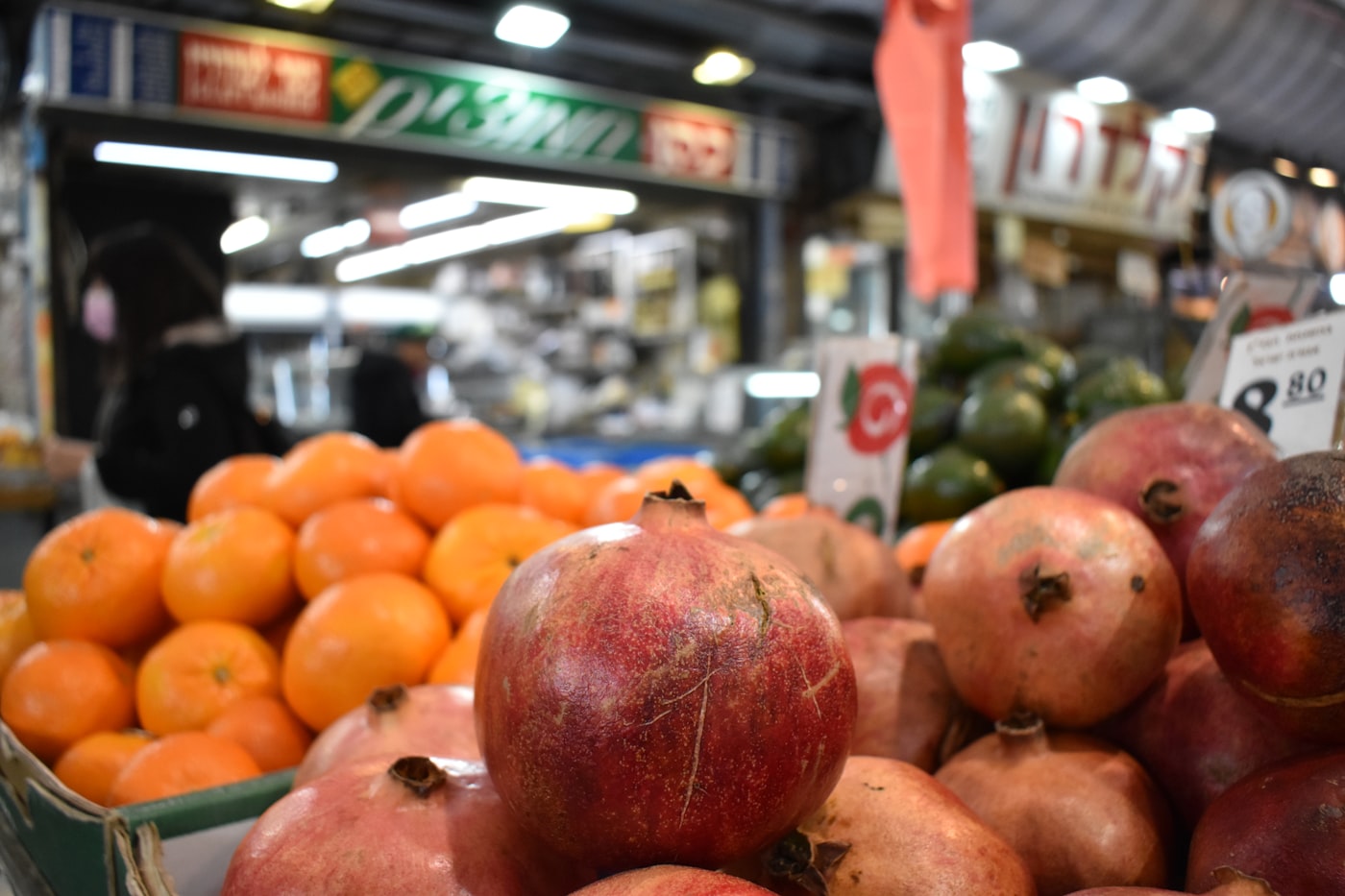
The shuk — Machane Yehuda market — is Jerusalem's most vibrant food destination and one of the great open-air markets in the Middle East. It is also one of the most halachically complex dining environments in the city.
The market holds an extraordinary concentration of meat restaurants, falafel and shawarma stands, burekas bakeries, freshly-pressed juice bars, spice stalls, and prepared-food vendors. The hechsherim are genuinely mixed — you will find Badatz-certified establishments directly adjacent to standard Rabbanut ones, and fresh produce stalls that may or may not have individual certification. Every stand must be checked independently.
The market is at its best for meat dining. Jerusalem's best-regarded kosher meat restaurants — many under Mehadrin or Badatz supervision — cluster in and around the shuk. For families who eat meat, this is the destination.
Timing note: Thursday afternoon is the busiest moment of the week — the entire neighborhood is doing erev Shabbos shopping. Crowds are intense. If you want the market atmosphere without the crunch, go Sunday through Wednesday morning.
- • Check each vendor's teudat kashrus individually — do not assume continuity from one stall to the next.
- • Fresh produce from the market has no inherent kashrus issue, but bug-checking is the buyer's responsibility.
- • Sit-down restaurants in the surrounding streets tend to have clearer and more consistent supervision than market stalls.
A few well-known options in and around the shuk.
These are long-established, widely-recognized establishments — useful as orientation points, not endorsements. Restaurants open, close, and change hands, and hechsher levels and agencies change — so it is worth a quick call to confirm a place is still operating, and always read the current teudat kashrus posted at the entrance and confirm it matches your family's standard before you order.
- Hatzot (Chatzot) — Agrippas St 121, just past the market. A Jerusalem meat institution since 1970, famous for the Jerusalem mixed grill and grilled meats. Kosher meat restaurant — confirm the current certification level at the door.
- Azura — HaEshkol St 4, in the Iraqi section of the shuk. A landmark Kurdish-Iraqi kitchen famous for kubbeh soup and slow-cooked stuffed eggplant. Kosher meat — confirm the current hechsher on-site.
- Shipudei Hagefen — Agrippas St 74, a short walk down from the market. Israeli grill house (shipudim, kubbeh, stuffed vegetables, Yemenite pitas). Verify the posted teudat kashrus.
- Turkishuk — HaShazif St 15, inside the market. Turkish-style eatery; reported to carry Badatz Beit Yosef (Sephardi mehadrin) supervision — confirm the current certificate before relying on it.
Geulah and Mea Shearim — Near Prima Palace
Geulah and the adjacent Mea Shearim neighborhood are the heartland of chareidi Jerusalem — and, as a result, one of the most reliably Badatz-certified dining environments in the city. The concentration of Eida HaChareidis and Agudat Yisrael supervision here is higher than anywhere else in Jerusalem.
The food scene is not fancy, but it is excellent and extraordinarily varied for its price point. Bakeries producing challahs, rugelach, and burekas. Pizza shops. Falafel stands. Smaller dairy cafes. Cholent on Thursday nights. The entire Kikar Shabbat and surrounding streets are lined with food establishments, the vast majority under serious Badatz supervision.
Prices are significantly lower here than in the city center. A family can eat well and affordably. The language of commerce in Geulah is Hebrew and Yiddish — signage is often in both scripts, and Yiddish speakers will feel at home.
For families staying at Prima Palace: this neighborhood is walkable and is the natural dining environment for Shabbos-adjacent meals. Thursday night, after the market rush, Geulah is the best place in the city to find fresh hot food at reasonable prices.
A couple of well-known names on Malchei Yisrael.
Malchei Yisrael Street is the spine of Geulah's food scene. These are long-running, widely-recognized establishments — listed as orientation, not endorsement. Places do open and close, so confirm a spot is still operating before you rely on it, and check that the current teudat kashrus posted at the entrance matches your family's standard before ordering.
- Heimishe Essen — Malchei Yisrael St, Geulah. Cafeteria-style heimish Ashkenazi cooking (gefilte fish, chopped liver, chicken soup, kugel, tzimmes) — the classic Shabbos-table spread, served by the tray. Check the posted certificate at the counter.
- Hadar Geula — Malchei Yisrael St, Geulah. A well-known prepared-food and takeout address for traditional kosher dishes and Shabbos food. Verify the current hechsher on-site.
If you would like help finding a hotel near the mehadrin restaurants your family relies on, JRM is glad to assist.
Start the conversationRomema — Near Yirmiyahu 33 and Jerusalem Gate
Romema is a transitional neighborhood — largely residential and chareidi-adjacent, sitting between the market area and the more central hotel districts. Dining options are more dispersed here than in Geulah, but they exist and are generally well-supervised.
Center One mall (Kanyon Romema), a short walk or taxi ride from both Yirmiyahu 33 and Jerusalem Gate, contains a food court with kosher-certified options at various levels — a practical fallback for a quick lunch, especially with children who need something simple and immediate. Check the individual hechsher at each stall.
Several restaurants and makolets (small grocery stores) cluster along the main Romema streets, stocking chalav Yisrael dairy products, pas Yisrael baked goods, and prepared foods for families who prefer to eat in. This is a practical neighborhood for stocking a mini-fridge from a makolet rather than eating every meal out.
Haneviim and the City Center — Near Haneviim Boutique
The downtown / city center area — including Ben Yehuda Street, Jaffa Road, and the Mamilla open-air mall adjacent to Jaffa Gate — is Jerusalem's most mixed dining environment. The hechsherim range across every level from standard Rabbanut to Mehadrin to Badatz, and the quality and character of restaurants vary accordingly. Read every teudat carefully.
Ben Yehuda Street and the pedestrian midrachov have long been tourist-facing dining destinations. Supervision here tends toward Rabbanut Mehadrin at the better establishments. Families requiring Badatz standards will need to be more selective.
Mamilla Mall offers upscale kosher dining with beautiful views toward the Old City — prices are higher, supervision varies by restaurant (several carry Mehadrin certification). It is a pleasant setting for a Shabbos night melaveh malka or a nicer weekday dinner.
From Haneviim, the Old City Jewish Quarter is also reachable on foot — about a 25-minute walk through the city center. The Jewish Quarter itself has kosher restaurants and cafes, some under Mehadrin or Badatz supervision, with the added backdrop of the Cardo and the Kotel nearby.
Well-known options in the Rova (Jewish Quarter).
Sit-down kosher dining inside the Old City Jewish Quarter is limited but exists — convenient when you are touring the Cardo or walking to the Kotel. As always, confirm the current teudat kashrus at the entrance before relying on it.
- B'shaarayich — Chabad St 64, just above the Cardo and a short walk from the Kotel. A spacious, air-conditioned mehadrin dairy restaurant — a practical sit-down stop mid-tour. Old City access and opening hours can change with current conditions, so check before you plan a meal around it, and confirm the posted certificate matches your standard.
- Holy Bagel / Hurva Square cafes — around Hurva Square in the heart of the Quarter. Dairy cafe and light-meal options for a coffee or quick bite while touring. Read each establishment's teudat kashrus individually — supervision varies stall to stall.
Practical Tips for Eating Out in Jerusalem
Hours — Friday and Shabbos
No properly-certified kosher restaurant operates on Shabbos. Most begin closing Friday afternoon, with Mehadrin establishments often closing earlier — sometimes by midday, or 2–3 hours before candle-lighting. Plan accordingly: if you want a Friday lunch out, go early. Once candle-lighting time approaches, options collapse rapidly.
Restaurants reopen Saturday night after Shabbos ends, and motzei Shabbos is a popular dining time — expect waits at popular spots.
Delivery Apps
Wolt and 10bis are the dominant food delivery platforms in Jerusalem. Both allow filtering by restaurant type and, to some degree, by hechsher — though the filtering is imprecise and you should still verify the certificate on the restaurant's own page. Delivery is a practical option for families with young children who find restaurant logistics difficult. Most hotels will permit delivery to the lobby.
Tipping
At sit-down restaurants with table service, 10–15% is the accepted norm in Jerusalem. Some restaurants add a service charge automatically — check the bill. At counter-service or takeaway establishments, tipping is not expected but always appreciated.
Tap Water
Jerusalem tap water is safe to drink. There are no kashrus concerns with drinking it directly. Ask for a pitcher of water at any restaurant — it is standard to receive one without charge. Bottled water is universally available if you prefer it, but it is not halachically required.
Meat and Dairy Separation
Most Jerusalem restaurants are either meat or dairy — you will rarely encounter a pareve-only establishment. Menus are usually clear about this, and frum restaurants do not mix. If you are planning a meat dinner, keep in mind the waiting period your family observes before dairy.
Children's Menus and Portions
Israeli portions tend to be generous. Many frum families find that sharing dishes or ordering a smaller number of items than expected works well. Children's menus exist at some restaurants but are not universal — pizza and falafel establishments are the most reliably child-friendly options across neighborhoods.
Hotel Dining Versus Eating Out — When Each Makes Sense
Most JRM-booked hotels serve a substantial Israeli breakfast, typically included in the room rate. The hotel breakfast — eggs prepared multiple ways, fresh salads, cheeses, yogurts, bread and pastries — is a serious meal that sets a family up for most of the morning.
For families observing Badatz Eida HaChareidis standards, hotel dining deserves particular attention. Many Jerusalem hotels catering to frum guests carry Mehadrin certification; some carry Badatz. Confirming the hotel's hechsher level before arrival is part of JRM's standard booking process — because for a family on Eida standard, a hotel breakfast under standard Rabbanut is not a usable option.
Shabbos and Yom Tov meals present the clearest case for hotel dining: there are no alternatives from Friday candle-lighting until Shabbos ends. Families who want to eat Shabbos meals in the hotel should arrange this before arrival — not on Friday afternoon.
For weekday lunches and dinners, eating out in the neighborhood is usually more interesting, more affordable, and an enjoyable part of being in Jerusalem. The neighborhoods around each JRM hotel are designed with this in mind — Geulah for Mehadrin and Badatz family dining, Machane Yehuda for a more adventurous food scene, the city center for evening dining with a broader range of settings.
Frequently Asked Questions
What Is the Difference Between Rabbanut Mehadrin and Badatz?
Rabbanut Mehadrin is the enhanced kosher certification issued by the Jerusalem Rabbinate — a meaningful step above standard Rabbanut, accepted by most observant families. Badatz (Beit Din Tzedek) refers to supervision by an independent rabbinical court that operates entirely outside the Rabbanut system. The two most recognized Badatz agencies in Jerusalem are the Eida HaChareidis (strictest Ashkenazi standard, widely relied on in the chareidi world) and Agudat Yisrael (also widely accepted, slightly broader restaurant coverage). Neither is "better" in an absolute sense — the right choice depends on your family's minhag and posek.
Are Jerusalem Restaurants Open on Shabbos?
No kosher restaurant under any serious hechsher operates on Shabbos. Most close Friday afternoon several hours before candle-lighting (Mehadrin establishments often close earlier) and reopen after Motzei Shabbos. For Shabbos meals, hotel dining or a Friday-arranged catering delivery is the practical solution. JRM hotels serve Shabbos meals to guests; ask about the meal package when booking.
Is the Tap Water in Jerusalem Safe to Drink?
Yes. Jerusalem municipal tap water is safe, filtered, and fluoridated. There are no kashrus concerns with Jerusalem tap water for drinking, cooking, or washing produce. Bottled water is available everywhere but is not a halachic requirement.
What Is a Teudat Kashrus and Where Is It Posted?
A teudat kashrus is the official kosher certificate issued by the supervising agency. Israeli law requires it to be posted visibly at the entrance of any certified food establishment. The certificate shows the name of the supervising body, the level of certification (regular, Mehadrin, etc.), and its validity date. Before eating anywhere, glance at the entrance — the certificate should be current and legible. If it is absent, expired, or photocopied and faded, treat it as uncertified until confirmed.
What Is the Badatz Beit Yosef Hechsher?
Badatz Beit Yosef is the Sephardi mehadrin standard, supervised by Rav Ovadia Yosef's beit din and its successors. It follows Sephardi poskim for questions of bishul akum, chalav, and other areas where Ashkenazi and Sephardi practice diverge. Sephardi families who observe mehadrin standards will typically rely on Beit Yosef-certified establishments. Some Ashkenazi families also accept it; check with your posek if uncertain.