
A guide
Multi-generational travel to Jerusalem.
Three or four generations under one hotel roof is our most common trip. Grandma with the walker on a low floor, the bar-mitzvah boy on a quiet hall, the pregnant daughter near a bathroom, the diabetic uncle with a fridge that isn't Shabbos-timed against him. Every person placed on purpose — not assigned by luck.
What's the best kosher hotel in Jerusalem for a multi-generational family trip?
For a multi-generational kosher family trip to Jerusalem, the four hotels we book all handle three- and four-generation groups, and they differ by what your group needs most. Prima Palace (Badatz Agudat Yisrael, near Geulah) and Haneviim Boutique (Badatz Eida HaChareidis) both have an on-site shul and mikveh, so grandparents who won't walk far on Shabbos can daven in the building. Yirmiyahu 33 (Mehadrin, HaRav Efrati) adds a pool and spa for the grandchildren and elevator-accessible low floors for grandparents with a walker. Jerusalem Gate (Badatz Mehadrin Rabbanut Yerushalayim) is the most affordable and, at 298 rooms, the easiest to block a large family contiguously. The deciding factor is rarely the room — it's placing each generation on purpose: low floors for mobility, quiet halls for a bar-mitzvah boy, a fridge that isn't Shabbos-timed against a diabetic relative.
Why "Just Book a Few Rooms" Misses It
Most hotel front desks treat a multi-generational booking as a bed count. Fifteen people becomes seven rooms, handed out at check-in based on whatever the system auto-assigns:
- Grandma ends up on the ninth floor next to the elevator shaft.
- The teenage cousins end up on the same hall as a sleeping family with a newborn.
- The family with the new diagnosis ends up the furthest possible room from the accessible bathroom.
The surprises that emerge from that approach are the ones families remember — often as the thing that soured an otherwise meaningful trip. Our entire operating model is built to prevent them.
How We Actually Place a Family
When you first inquire, we ask about your family, not about the booking. Names, ages, relationships, any accessibility or medical considerations, sleep-pattern quirks, who's with whom, who needs to be near whom, who cannot be near the elevator, who needs specific dietary setup in-room.
Then we look at the hotel's actual floor plans — not the "categories" the front desk uses, but the specific room numbers. Room 403 has the grab bars; 405 has the quietest back-of-building orientation; 407 is the family suite.
We build a draft room assignment, review it with you, revise, then confirm with the hotel floor-by-floor. This takes meaningful time per family. It's why we cap how many families we serve at once.
The Specific Placements We Plan Around
- Grandparents with mobility devices: low floor, accessibility-room with grab bars and walk-in shower, near the dining room, Shabbos-elevator-accessible.
- Sleeping-baby families: away from the elevator, away from the ice-machine hall, adjacent rooms to the parent siblings so the cousin-visits don't wake the baby.
- Teenage cousins: often together on a slightly removed floor where their late-night talking doesn't disturb sleeping family, but close enough to the adults that supervision remains light-touch.
- Post-surgical or chemo family members: quiet, accessible bathroom, discreet room-service, staff aware without being hovering.
- Pregnant family members: near bathroom, near ice for swollen feet, low-enough floor that stairs work if the elevator is slow.
- Blended or complicated family dynamics: careful attention to who rooms near whom, who eats at which table, how check-in is handled so no one awkwardness ambushes anyone.
The Schedule Problem
Multi-generational schedules are mostly about nap windows and walking ranges:
- Grandma can walk 20 minutes with rest, not 45.
- The twins can walk 10 minutes without stroller, 30 with.
- The bar-mitzvah cousin wants to spend his afternoon with the teenagers, not on a grandparent-paced museum visit.
We help think through the trip day-by-day with these realities. Sometimes that means two groups splitting for an afternoon and converging for dinner; sometimes it means the grandparents do a half-day and the rest of the family does a full one; sometimes it means the hotel becomes the base-camp and everyone rotates in and out of the central meal.
The Conversation That Stops the Fights
One conversation we have with most multi-gen families up front: who's paying for whom. Rooming arrangements and meal costs can create friction if the conversation doesn't happen early. Typically one branch of the family pays for the whole group, or each nuclear family pays their own, or a pooled approach is worked out. We hold the arithmetic discreetly — no awkward moment at the front desk over whose card the minibar charges go on.
Before you finalize a hotel, two resources worth reading: our side-by-side hotel comparison explains how each of our four properties differs in room count, dining room capacity, and Shabbos infrastructure — all relevant when placing 15+ people. And if your family's kashrus standard is Badatz-tier, the mehadrin certification guide explains what each hechsher actually means on the ground.
Multi-generational trips peak around Pesach and Sukkos; if your family is planning around either Yom Tov, begin the conversation earlier than you think you need to — availability at Yom Tov moves much faster than the rest of the year.
What it costs
As a rough planning range, standard-date rooms at the value and mid-tier hotels usually land around $200–$450 a night, running higher at the premium properties and across Shabbos and Yom Tov dates — we confirm exact current pricing with your quote. Full Yom Tov board programs are quoted per family. See our pricing page for the hotel-by-hotel table.
Our hotels
Hotels That Handle Multi-Gen Well
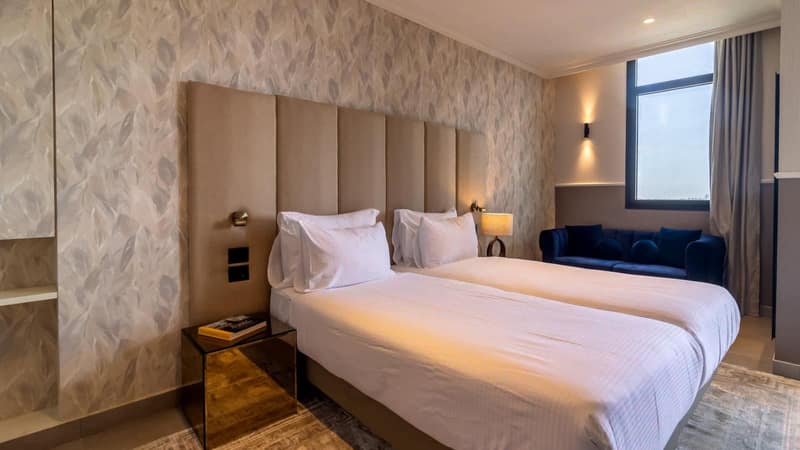
 Mehadrin by HaRav Efrati
 Romema
Yirmiyahu 33
A new, luxurious hotel on Yirmiyahu Street in Romema with Mehadrin kashrus supervised by HaRav Efrati and a full-time Mashgiach Temidi — plus pool, spa, underground parking with car charging, and ~5-minute walk to the central bus station and train.
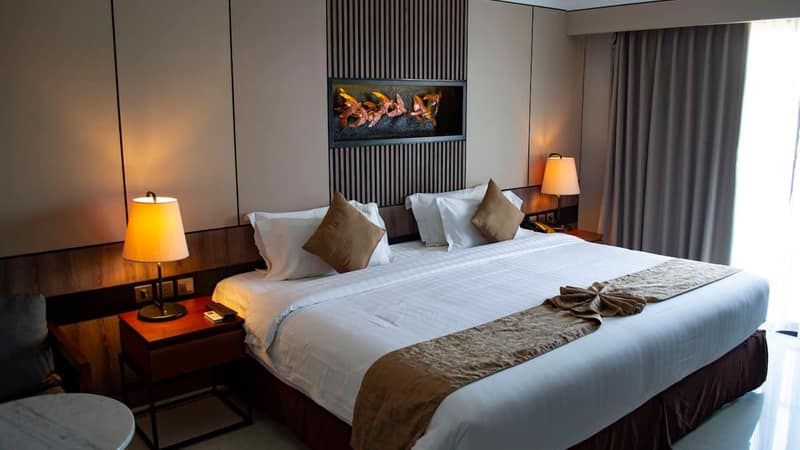
 Badatz Agudat Yisrael
 Pines Street
Prima Palace
A full-service kosher hotel at 2a Pines Street near Geulah and Mea Shearim with Badatz Agudat Yisrael kashrus, on-site mikveh and shul, daily Daf Yomi, free parking (limited, first come first serve), and easy access to the frum heart of Jerusalem.
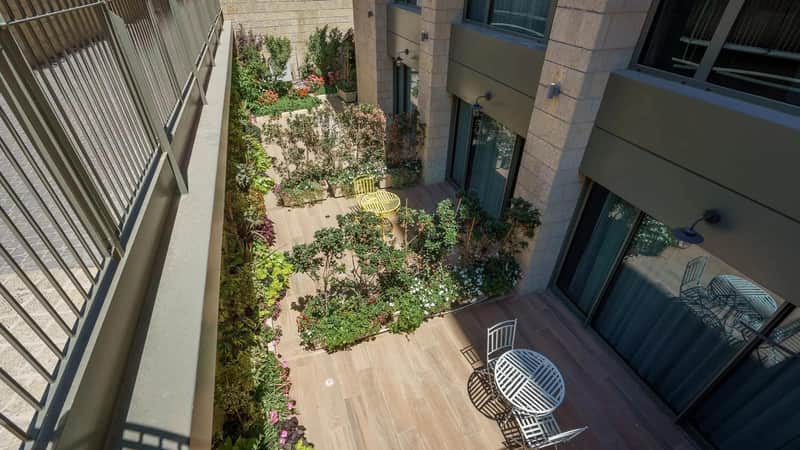
 Badatz Eida HaChareidis
 Haneviim Street
Haneviim Boutique
A boutique hotel and luxury apartment property on Haneviim Street with Badatz Eida HaChareidis kashrus — 49 hotel rooms and 8 apartments (2-night minimum, no meals), on-site mikveh and shul, daily Daf Yomi, rabbi on premises, and walking distance to the Old City.
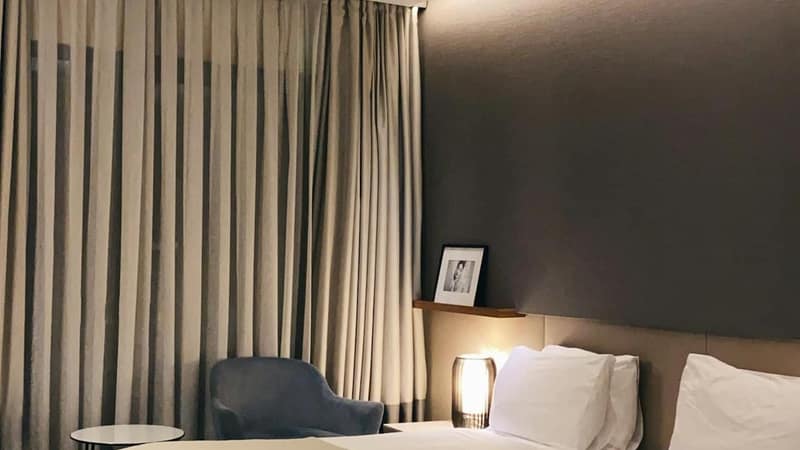
 Badatz Mehadrin Rabbanut Yerushalayim
 Romema
Jerusalem Gate Hotel
The most affordable of the four JRM hotels — a 298-room glatt kosher hotel at 43 Yirmiyahu Street in Romema with Badatz Mehadrin Rabbanut Yerushalayim and OU supervision, direct access to Center One Shopping Mall and Fitness Club (free for guests), with light rail and central bus station nearby.
Ready to start?
Let's Plan the Trip, Not Just the Booking
Tell us who's coming and we'll come back with a placement plan — not a spreadsheet.
Start the conversationKeep reading
Multi-gen logistics path
Quiet floors for multi-gen groups
Ask for quiet floors and adjacent rooms for grandparents. Multi-gen trips fail on sleep, not on sightseeing.