
Simcha guide
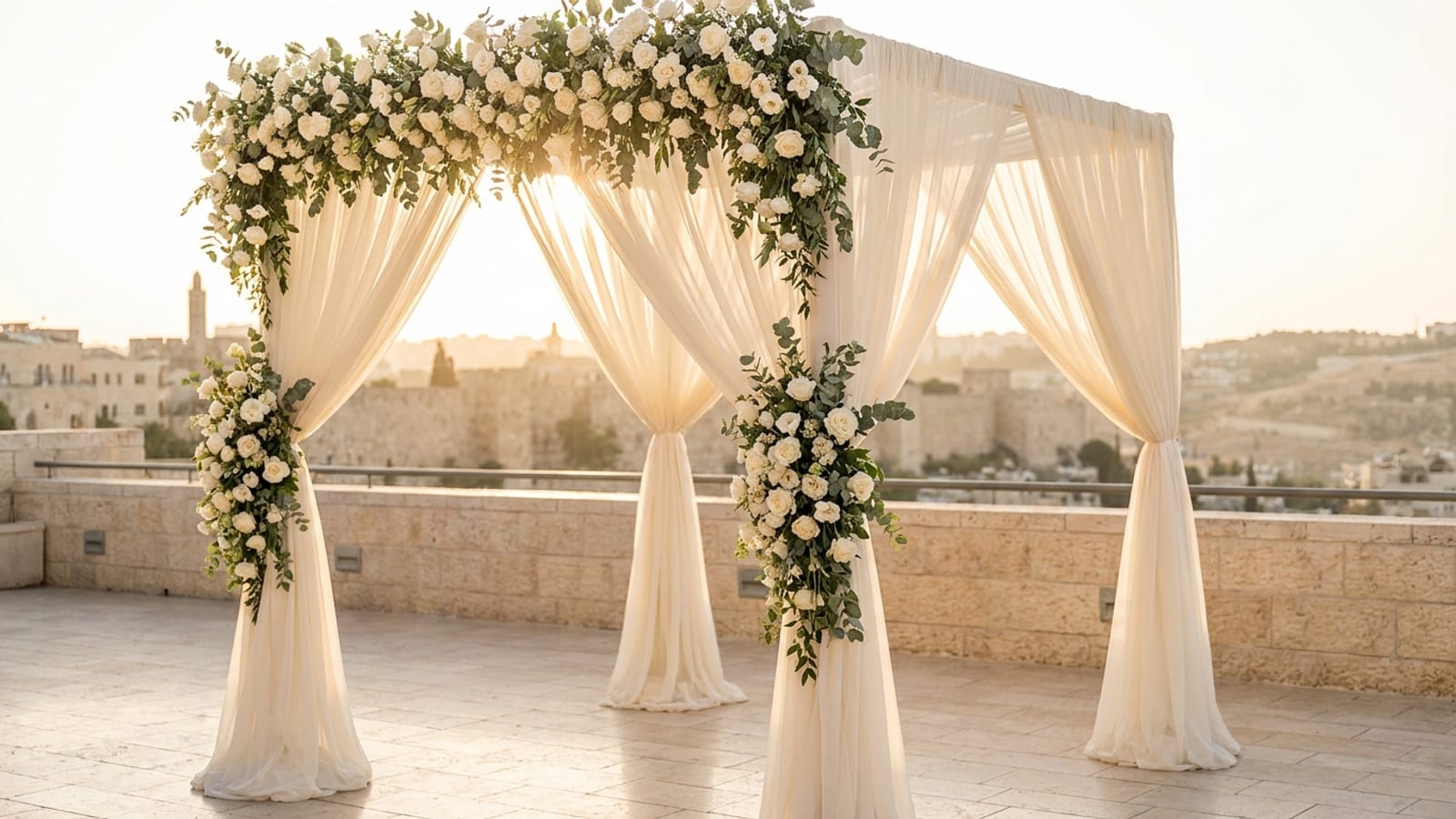
A wedding in Jerusalem, held the way you'd want your children's to be held.
The chuppah in the Jerusalem hills. The Shabbos sheva brachos at the hotel. The Kotel photos at sunrise. A week-long simcha involving multiple families, continents of travelers, and halachic-logistical detail no ordinary wedding planner is equipped for. Here's how we help plan it.
Our Role Versus the Wedding Planner's
We are not the wedding planner. You'll have (or need) a dedicated Jerusalem simcha planner who handles the chuppah venue, catering, florist, photographer, music, badeken logistics, and sheva brachos meals. Our role is the travel piece:
- The hotel block for out-of-town guests
- Shabbos sheva brachos logistics at a hotel, if that's the plan
- The kallah's pre-wedding stay
- The mechutanim's accommodations
- All the multi-family room-matching a wedding trip requires
We work alongside your wedding planner — typically talking weekly in the 8–12 weeks before the wedding. The division stays clear: she handles the simcha itself; we handle every non-simcha hour of your guests' trips.
The Twelve-Month Countdown
- Month 12: First conversation. Target wedding date, family sizes both sides, budget frame, whether Shabbos sheva brachos is at a hotel or in a home.
- Month 10: Hotel block held. Typically 20-50 rooms across 3-7 nights, depending on guest travel patterns.
- Month 9: Guest list preliminary. We start mapping people to rooms — not as a spreadsheet but as a placement problem.
- Month 6: Guest-side communication goes out (your wording, our booking link). Cut-off for block rate announced.
- Month 3: All rooms confirmed. Kallah's pre-wedding stay arrangement finalized. Mechutan accommodations locked.
- Month 1: Final arrivals coordinated, airport transfers arranged, hotel welcome brief drafted per family.
- Wedding week: Hotel concierge desk run by us, on-site or remote, as the wedding planner handles the simcha.
The Shabbos Sheva Brachos Question
Many Jerusalem weddings include a Shabbos sheva brachos at a hotel, anchoring 40-150 guests for Friday-night seudah, Shabbos morning davening and kiddush, Shabbos lunch seudah, se'udah shlishit, and havdallah. The hotel hosts become the functional shul for the weekend.
Planning this is involved. It includes:
- Friday-night seudah setup with a rav to lead
- Shabbos morning minyan in the hotel, or a walk to a shul that can absorb the group
- Kallah's hair-covering and tznius arrangements for public seudos
- Sheva brachos around the meals themselves — who is honored with which brachah
- Children's programming through all seudos
- Mechutan-mechutenes-sided conversations that need to happen without crossing wires
We've done this at all four of our hotels. Jerusalem Gate has by far the largest function-room capacity (the Aderet hall alone seats roughly 550 banquet-style); Yirmiyahu 33 (event space up to 120) and Haneviim Boutique (hall up to 100) suit smaller, more intimate Shabbos sheva brachos; Prima Palace's hall capacity is confirmed when booking.
The Kallah's Pre-Wedding
The kallah's final week before the chuppah is a specific category. A kallah typically arrives in Jerusalem 3–5 days before the chuppah. She needs:
- A quiet room away from the hustle
- A walkable mikveh with a balanit she trusts
- A schedule that respects her preparations — davening, time with the chassan's family without the chassan
- A hotel staff who doesn't misread her as a regular guest
We coordinate with the kallah's mother or shadchan directly on the pre-wedding schedule. Every detail is held — which is exactly the privacy a kallah should have in that week.
The Four Family Archetypes We See
The Out-of-Town US Wedding
Chassan or kallah from America flying Israeli family in — or the reverse. 30-80 travelers across both sides. 5-7 night hotel stays common. Sheva brachos schedule spans both continents.
The Destination Wedding
Both sides from chutz-la'aretz choosing to marry in Jerusalem for spiritual reasons. 100-200 travelers. Multiple hotels sometimes involved. Weeklong programming: chuppah, Kotel photos, Shabbos sheva brachos, day trips for guests between.
The Israel-Based Wedding with One Mechutan Side from Abroad
The "single block" case — just one mechutan family needs a hotel block. Smaller scale (20-40 rooms) but same halachic-logistical care required.
The Older-Couple Wedding
Widowed or divorced couple marrying. Adult-children considerations, blended-family diplomacy, often smaller and more intimate. Our role here is holding every detail with discretion — which is exactly what these couples most need.
A Chuppah at the Kotel
Some couples choose to hold their chuppah at the Kotel plaza itself — one of the most spiritually charged settings imaginable for a Jewish wedding. This is possible, but it requires advance coordination. Permits are arranged through the Western Wall Heritage Foundation (Irgun HaKotel); the process involves an application, approval of dates, and specific logistical guidelines for the ceremony setup.
Practically: the Kotel plaza is open and public, which creates its own atmosphere — hundreds of people davening and visiting at any given time. Some couples love this; it places the chuppah in the middle of the living, breathing Jewish people. Others prefer a more contained setting on the rooftop of the Jewish Quarter or in a courtyard nearby. Both are beautiful; we'll walk you through the tradeoffs honestly.
Photographer coordination matters here. Dawn and early-morning hours at the Kotel tend to be quieter and offer the most striking light; many couples do Kotel photos at sunrise the morning after the wedding or during the wedding week rather than at the chuppah itself. Your photographer should ideally have prior experience shooting at the Kotel — the lighting and access protocols differ from a standard venue.
Seasonal and weather notes: Jerusalem winters (November–February) can be cold and occasionally rainy; spring and fall are generally mild. Summer evenings are warm and dry. An outdoor Kotel chuppah in January needs a weather contingency. We confirm this in your pre-arrival brief, and your wedding planner handles the formal logistics with the Heritage Foundation.
Kallah mikveh timing is determined by halacha — the exact night is for the kallah and her rav; in practice it often falls a few days before the chuppah. In Jerusalem, the appointment is arranged privately and in advance, not as a walk-in. Tznius and privacy are taken seriously at every stage: the balanit, the appointment window, and the arrival and departure are all handled with full discretion. We coordinate this on the kallah's behalf — confirm details and any questions of halacha with your rav.
For kallah mikveh coordination in the days before the wedding, see our Jerusalem mikveh guide, which covers Jerusalem-neighborhood logistics including mikveh access — the same neighborhoods, the same walkability principles.
Hotels That Host Weddings Well
The right hotel depends on size, kashrus standard, and whether Shabbos sheva brachos is at the hotel. Jerusalem Gate has by far the largest function-room capacity (the Aderet hall seats roughly 550 banquet-style / 880 theatre-style); Yirmiyahu 33 (event space up to 120) works well for a stringent-mehadrin wedding at a mid-size scale; Haneviim Boutique (hall up to 100) is the choice for a boutique-scale simcha under Badatz Eida HaChareidis; Prima Palace's hall capacity is confirmed when booking.
What it costs
As a rough planning range, standard-date rooms at the value and mid-tier hotels usually land around $200–$450 a night, running higher at the premium properties and across Shabbos and Yom Tov dates — we confirm exact current pricing with your quote. Full Yom Tov board programs are quoted per family. See our pricing page for the hotel-by-hotel table. Seudah and simcha event pricing is quoted per family based on guest count and menu.
Hotels for a Wedding Trip
 Mehadrin by HaRav Efrati
 Romema
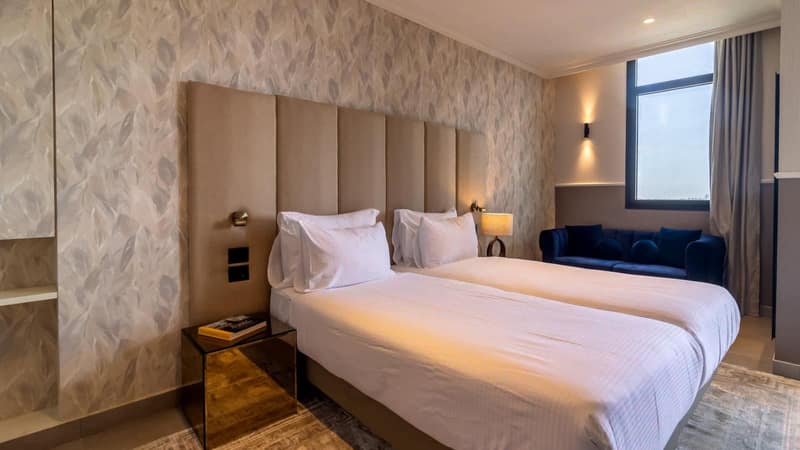
Yirmiyahu 33
A new, luxurious hotel on Yirmiyahu Street in Romema with Mehadrin kashrus supervised by HaRav Efrati and a full-time Mashgiach Temidi — plus pool, spa, underground parking with car charging, and ~5-minute walk to the central bus station and train.
 Badatz Agudat Yisrael
 Pines Street
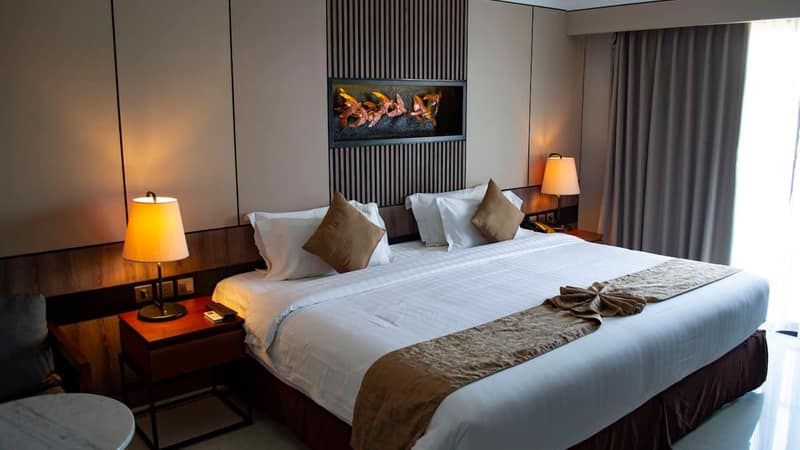
Prima Palace
A full-service kosher hotel at 2a Pines Street near Geulah and Mea Shearim with Badatz Agudat Yisrael kashrus, on-site mikveh and shul, daily Daf Yomi, free parking (limited, first come first serve), and easy access to the frum heart of Jerusalem.
 Badatz Eida HaChareidis
 Haneviim Street
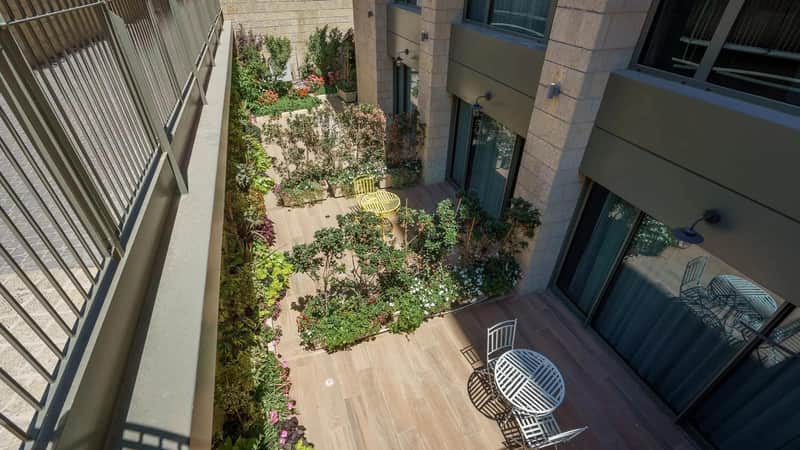
Haneviim Boutique
A boutique hotel and luxury apartment property on Haneviim Street with Badatz Eida HaChareidis kashrus — 49 hotel rooms and 8 apartments (2-night minimum, no meals), on-site mikveh and shul, daily Daf Yomi, rabbi on premises, and walking distance to the Old City.
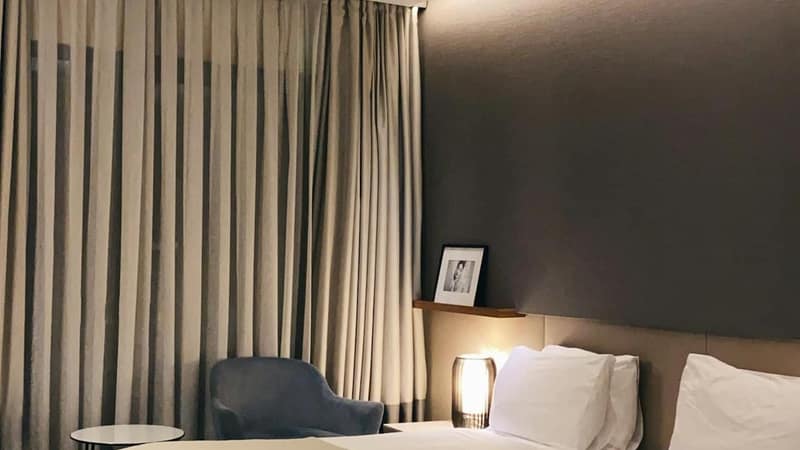
 Badatz Mehadrin Rabbanut Yerushalayim
 Romema
Jerusalem Gate Hotel
The most affordable of the four JRM hotels — a 298-room glatt kosher hotel at 43 Yirmiyahu Street in Romema with Badatz Mehadrin Rabbanut Yerushalayim and OU supervision, direct access to Center One Shopping Mall and Fitness Club (free for guests), with light rail and central bus station nearby.
Ready to start?
Let's Plan the Travel Piece of the Wedding
Start ideally 12 months out. Tell us the date, the sizes, the format. We'll hold the hotel block and do the family-by-family placement work alongside your wedding planner.
Plan a wedding tripKeep reading
Wedding week companions
Hall versus hotel seudah tradeoffs
A hotel seudah simplifies guest logistics; an off-site hall may fit larger lists. Kashrus, mechitzah, and late-night returns all change with that choice.